






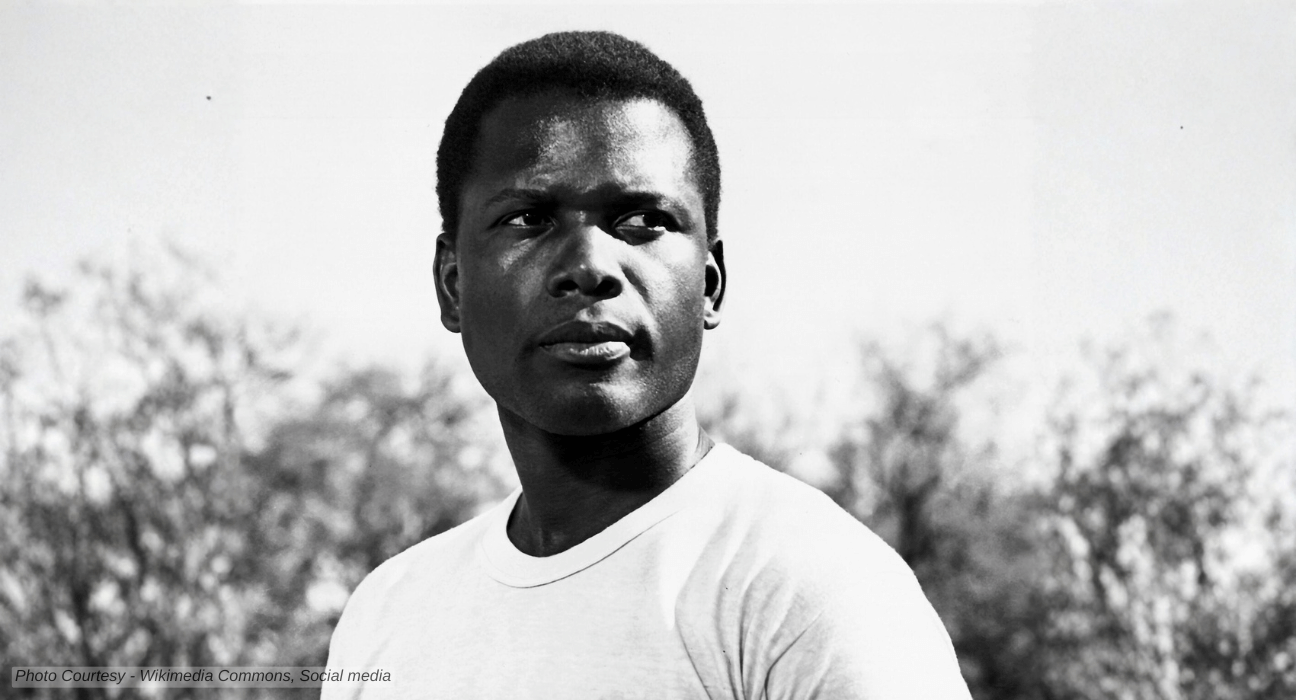
Sidney Poitier was a Bahamian-American actor, director, and diplomat who made history as the first Black actor and first Bahamian to win the Academy Award for Best Actor (Lilies of the Field). He was also a pioneer in breaking racial barriers and stereotypes in Hollywood, starring in films that dealt with issues of race and race relations, such as “The Defiant Ones,” “Guess Who’s Coming to Dinner,” and “In the Heat of the Night.”
He was one of the last surviving stars from the Golden Age of Hollywood cinema and received numerous honors and accolades for his work, including two Golden Globe Awards, a BAFTA Award, and a Grammy Award, as well as nominations for two Emmy Awards and a Tony Award. He was also honored with the Academy Honorary Award, the AFI Life Achievement Award in 1992, the Golden Globe Cecil B. DeMille Award in 1981, the BAFTA Fellowship in 2016, and a star on the Hollywood Walk of Fame in 1994.
Early Life and Career

Poitier was born on February 20, 1927, in Miami, Florida, while his parents were visiting from the Bahamas. He grew up in poverty as the son of farmers and moved to New York City when he was 16. He joined the American Negro Theatre and began his acting career on stage and screen.
He gained recognition for his performance as a high school student in “Blackboard Jungle” (1955) and received his first Oscar nomination for “The Defiant Ones” (1958). He also appeared in acclaimed films such as Porgy and Bess (1959), A Raisin in the Sun (1961), and A Patch of Blue (1965).
Sidney Poitier starred in the 1963 American comedy-drama film “Lilies of the Field,” based on the 1962 novel of the same name by William Edmund Barrett. The film narrates the tale of a wandering laborer who comes across a community of East German nuns who believe that he has been sent by God to construct a new chapel for them.
The movie earned acclaim from critics and garnered several honors, including five Academy Award nominations, such as Best Picture and Best Supporting Actress for Skala. Poitier made history by winning the Academy Award for Best Actor, becoming the first Black actor to do so after Hattie McDaniel’s historic feat more than 2 decades earlier, when she received an Oscar for Best Supporting Actress for Gone with the Wind.
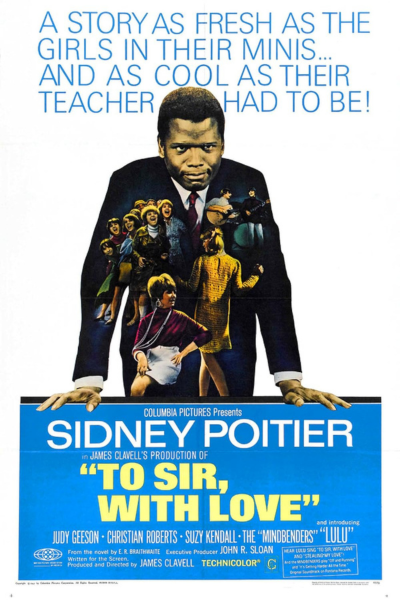
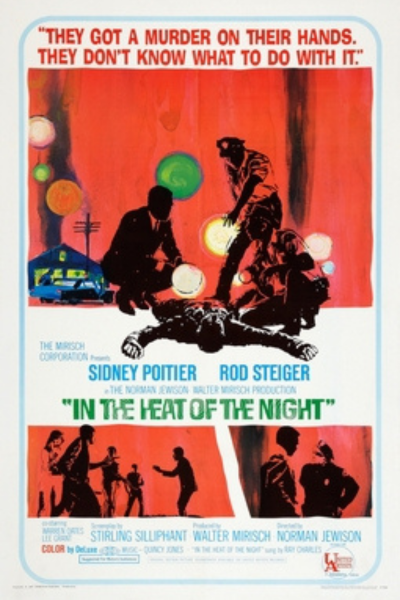
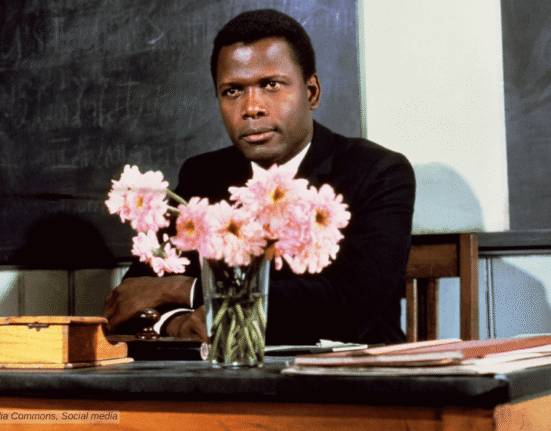
In 1967, he starred in three successful films that challenged the social norms of the time: “To Sir, with Love“, where he played a teacher in a London slum; “Guess Who’s Coming to Dinner,” where he played a doctor engaged to a white woman; and “In the Heat of the Night“, where he played a detective investigating a murder in a racist town, the film was nominated for seven Oscars, winning five including Best Picture.


Poitier also directed several films, including A Warm December (1973), Uptown Saturday Night (1974), and Stir Crazy (1980). He later starred in Shoot to Kill (1988) and Sneakers (1992). He retired from acting in 2009 after appearing in The Last Brickmaker in America (2001) and receiving an honorary Oscar in 2002.
Poitier was also a diplomat and an activist. He served as the ambassador of the Bahamas to Japan from 2002 to 2007 and to UNESCO from 1997 to 2007. He was involved in the civil rights movement and supported various causes such as education, health, and human rights. He was granted an honorary knighthood by Queen Elizabeth II in 1974 and received the Presidential Medal of Freedom from Barack Obama in 2009.


Personal Life
Sidney Poitier died on January 6, 2022, at the age of 94. He is survived by his wife Joanna Shimkus, whom he married in 1976, and six children, including actress Sydney Tamiia Poitier. He is remembered as a legend of the screen and a trailblazer for racial equality.
Sidney Poitier on IMDB





Leave feedback about this